Joyce Mmereole Okoli
Captain Warredi Enisuoh, Executive Director, Operations and Technical Services at Tantita Security Services Nigeria Limited, has called for urgent reforms in Nigeria’s maritime sector, warning that security gaps, outdated port infrastructure and poor coordination in transport planning could expose the country’s critical maritime and offshore energy assets to emerging threats.
Enisuoh said Nigeria must move beyond conventional security arrangements by strengthening surveillance across its territorial waters, adopting stricter access controls at ports, accelerating port automation and improving coordination among maritime security agencies, port operators and other stakeholders.
He argued that the country could draw valuable lessons from the aviation sector, particularly in the areas of perimeter protection, access management, security audits and continuous monitoring, which he said could help close existing vulnerabilities in port operations.
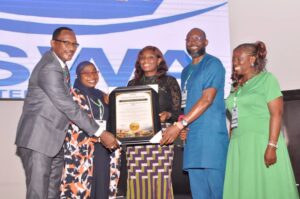
The Tantita executive director made the submissions while speaking at the Second Nigeria Transport Summit 2026, held under the theme, “Navigating Global Disruptions and the Road Ahead: Mobility, Energy and Trade Facilitation for a Resilient Future.”
According to him, addressing Nigeria’s maritime security challenges requires more than the deployment of sophisticated equipment. He stressed that effective security must be supported by sound infrastructure planning, modern regulatory systems, operational discipline and sustained collaboration among relevant agencies.
Enisuoh identified the aviation industry as a useful model for improving security across Nigeria’s maritime domain, noting that airports operate under strict access-control procedures and monitoring systems designed to limit unauthorised movements.

He observed that the aviation sector had recorded considerable progress in security management compared with maritime operations, attributing the difference partly to international security audits, airport perimeter fencing and stringent access requirements.
“When it comes to the airports, I can tell you one thing. The air side has done very, very well compared to the maritime side,” he said.
He urged maritime authorities to examine the security procedures used at airports and adapt appropriate measures to seaports, terminals and other sensitive maritime facilities.
Enisuoh maintained that improved surveillance would serve as both a deterrent to criminal activities and a means of identifying suspicious movements before they develop into serious security incidents.
“The moment people know that they are being watched from one end to another, that itself is security for you,” he said.
He explained that comprehensive monitoring of port access points, cargo-handling areas and restricted operational zones could strengthen accountability while making it more difficult for unauthorised persons to gain access to sensitive facilities.
He also emphasised the need for closer cooperation between security agencies, terminal operators and other port stakeholders to ensure that intelligence and surveillance systems function as part of a coordinated security framework.
Beyond maritime security, the Tantita executive director expressed concern over what he described as the fragmented approach to the development of Nigeria’s transport infrastructure.
He argued that the country’s airports, seaports and cargo distribution facilities were often developed without sufficient coordination, stating that such could undermine logistic efficiency.