


Joyce Mmereole Okoli
Importers grappling with cargo delays triggered by the rollout of the National Single Window (NSW) platform may soon get a lifeline, as the Nigerian Revenue Service (NRS) and the Nigerian Shippers’ Council ramp up efforts to secure duty waivers and concessions from terminal operators and shipping companies.
At a high-level stakeholders’ engagement held Friday, regulators and industry players converged to address mounting demurrage and detention charges linked to disruptions during the migration from legacy systems operated by SON and NAFDAC to the new digital trade platform.
Chairman of the NRS, Dr. Zach Adedeji, who led the appeal, urged service providers to support affected importers as the system stabilises. He described the current challenges as temporary but impactful, calling for collaborative intervention.
“The essence of this meeting is to seek understanding and support. The transition to the Single Window has caused some delays, and we are appealing for relief measures, especially for importers bearing the brunt of these disruptions. Similar support has been extended in the past, and we believe this moment calls for the same spirit of cooperation,” Adedeji said.
Drawing a global parallel, he noted that extraordinary situations often require flexibility.
“When disruptions occur outside normal business conditions, there must be room for negotiation. No system transition is without its teething issues, but what matters is how stakeholders respond.”
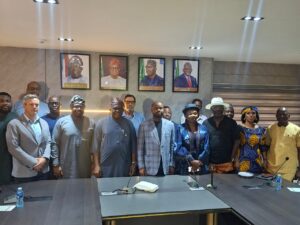
Encouragingly, terminal operators signaled willingness to consider relief requests, confirming that mechanisms already exist to grant waivers or discounts on a case-by-case basis where delays are directly linked to the NSW migration.
Adedeji stressed that the government’s focus remains economic prosperity rather than aggressive revenue generation. “Our priority is shared prosperity. When businesses thrive, the nation prospers. This initiative is not about revenue, it’s about creating an efficient and transparent system that benefits all.”
He, however, issued a stern warning to individuals seeking to exploit loopholes in the transition. “There are those who benefited from the old opaque system. This reform will not accommodate sabotage. We are committed to ensuring transparency and accountability.”
On resolving the technical glitches, the NRS boss assured stakeholders that the issues were short-term. “This is a matter of days, not months. The system itself is sound, the delays stem from integration gaps during migration, and those are being addressed swiftly.”
Executive Secretary of the Nigerian Shippers’ Council, Dr. Pius Akutah, said the engagement followed the NSW platform’s go-live on March 27 and underscored the need for collective problem-solving.
“We are beginning to see progress. This meeting is about tackling implementation challenges together as stakeholders in a shared ecosystem,” he said.
Akutah also revealed that reforms are underway to strengthen the Council’s regulatory powers, with a new legal framework, the Nigerian Port Economic Regulatory Agency Bill, nearing final passage at the National Assembly.
Chairperson of the Shipping Association of Nigeria (SAN), Boma Alabi (SAN), reaffirmed the industry’s readiness to cooperate, recalling similar interventions during previous system upgrades.
“We’ve seen this before during the B’Odogwu rollout. Our goal is efficiency, faster cargo clearance, and reduced costs. There is no benefit in delaying cargo, we are equally impacted,” she said, adding that operators would engage decision-makers on possible concessions.
Also lending his voice, Managing Director of Lagos and Niger Shipping Agency (LANSA), Todd Reaves, described the NSW initiative as one of the most transformative reforms he has witnessed in over six decades in Nigeria’s maritime sector.
However, stakeholders cautioned against blanket waivers. General Manager of PTML Terminal, Tunde Keshinro, warned that relief measures must be targeted.
“We must avoid rewarding non-compliance. There are established processes for granting waivers to genuine cases, but some importers deliberately abandon cargo to exploit overtime provisions. That must not be encouraged,” he said.
Chairman of the NSW Committee, Tola Fakolade, reassured stakeholders that the situation remains under control, noting that proactive engagement with service providers is ongoing to minimise the impact on port users.