

Joyce Mmereole Okoli
The Lagos State Waterways Authority (LASWA) has successfully concluded a transformative five-day Water Hyacinth Recycling Training Programme, equipping 50 women and young people in Eredo Local Council Development Area (LCDA), Epe, with practical skills for economic empowerment and environmental sustainability.
Held from January 19 to 23, 2026, the intensive training, delivered in partnership with Mitimeth, a leading social enterprise focused on converting water hyacinth, an invasive aquatic plant, into creative and commercially viable products.
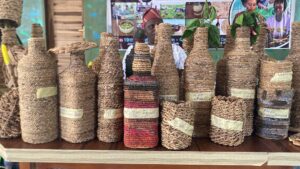
The programme offered hands-on sessions in harvesting, processing, and recycling water hyacinth, alongside training in safety, entrepreneurship, and sustainable environmental practices.
Participants learned to turn an ecological nuisance into a new source of income, helping to reduce pollution while promoting eco-friendly innovation.
Speaking at the close of the workshop, Mr. Oluwadamilola Emmanuel, Special Adviser to the Governor on Blue Economy, reaffirmed LASWA’s dedication to pioneering initiatives that enhance waterway safety, protect the ecosystem, and uplift local communities.
He noted that transforming water hyacinth into marketable goods aligns with Lagos State’s broader vision for sustainability, job creation, and inclusive economic growth.
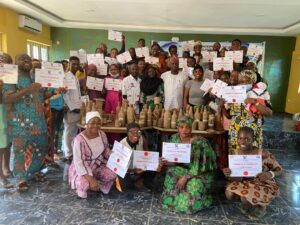
Mitimeth trainers brought the sessions to life with practical demonstrations and one-on-one guidance. Participants showcased impressive handcrafted items created from recycled materials and expressed eagerness to establish cooperatives and micro-enterprises to commercialise their new skills.
Executive Chairman of Eredo LCDA, Hon. Monsuru Akinloye, commended LASWA for delivering such a high-impact initiative to the community, highlighting its dual benefits of reducing water hyacinth infestation and empowering women and youths with valuable livelihood opportunities.
LASWA has now trained more than 450 women and young people across riverine communities in Lagos and plans to scale similar initiatives across the state as part of its commitment to environmental stewardship and sustainable economic development.