

Joyce Mmereole Okoli
The Nigerian Shippers’ Council (NSC) has ordered all shipping companies, agents, and terminal operators in the country to suspend any planned review or upward adjustment of charges until proper consultations are held with stakeholders.
The directive, issued on Tuesday, follows industry concerns over proposed tariff increases by some service providers within the nation’s ports.
In a statement signed by the Council’s Head of Public Relations, Rebecca Adamu, the NSC clarified that previous tariff adjustments were approved strictly under its statutory mandate as Nigeria’s Port Economic Regulator.
According to the Council, all reviews followed “a transparent, structured, and well-defined regulatory process” that involved extensive technical and consultative engagements with affected operators.
“These engagements did not amount to automatic approvals.They formed part of a broader evaluative process, with final decisions reached only after rigorous internal technical and financial assessments guided by empirical evidence, regulatory benchmarks, and prevailing economic conditions,” the council explained.
The Council warned that no port service provider is permitted to implement new charges without first consulting stakeholders, stressing that it would “wield the big stick” against any operator that disrupts port operations through unilateral tariff changes.
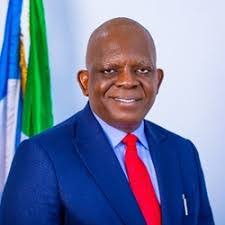
Executive Secretary/CEO of the NSC, Dr. Pius Akutah (MON), reiterated that the agency is empowered to sanction defaulters under existing regulatory frameworks. He urged shipping firms and terminal operators to embrace dialogue and adhere strictly to the rules.
“Any service provider that proceeds with charge reviews without stakeholders’ engagement should be prepared to face decisive regulatory action,” Dr. Akutah cautioned.
The NSC reaffirmed its commitment to safeguarding the interests of port users, promoting fair competition, and ensuring a balanced and predictable business environment in Nigeria’s maritime sector.